As a home inspector, I’ve walked through hundreds of properties—everything from brand-new builds to century-old homes full of charm and quirks. One concern I hear time and time again, especially from owners of older homes, is this:
“There are tree roots in my sewer line… do I need to replace the whole thing?”
The short answer? Not necessarily. And in many cases, not anytime soon.
Let’s talk about it—specifically about root intrusion in clay tile lateral sewer lines, which is incredibly common in homes built before the 1970s.
What Is Root Intrusion?
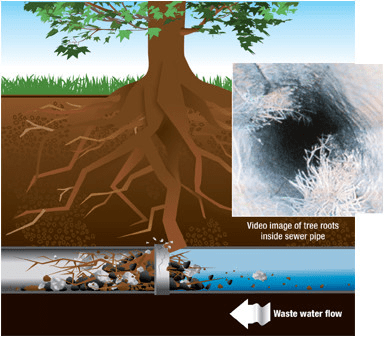
If your home has clay sewer pipes—and many older homes do—they were likely installed in short sections with joints sealed by mortar. Over time, those joints can weaken, creating small gaps or cracks. And guess what loves to find moisture?
Tree roots. Especially from nearby maples, oaks, or other large trees.
These roots naturally seek out water sources and can work their way into tiny openings in your lateral sewer line (the part that runs from your home to the city main). Left unchecked, they can grow and restrict flow, eventually causing backups or damage.
But here’s the good news:
Root Intrusion Is Usually Maintainable, Not a Crisis
Just this week, I inspected a beautiful 1940s brick bungalow. The homeowner had received a sewer scope video showing some root intrusion and was understandably worried. She feared the worst: digging up the yard, tearing out landscaping, or a full line replacement.
But the inspection revealed moderate root growth, with good water flow and no signs of pipe collapse. That’s a very manageable situation.
Here’s what I told her—and what I tell most homeowners in the same boat:
- Schedule annual or biannual root maintenance. A professional plumber can use a mechanical auger or hydro-jetting to remove root growth before it becomes a clog.
- Use foaming rooticide treatments. These are safe, effective products that can discourage roots from regrowing into the line. Applied every 6 months or so, they help keep things clear.
- Monitor with regular inspections. Getting a camera inspection every couple of years lets you track the line’s condition and catch changes early.
Replacement Isn’t Always Necessary
If the line is still structurally sound, there’s usually no immediate need for excavation or full replacement. In fact, many clay sewer lines can last 80–100 years with proper care.
That said, trenchless repair options like pipe lining or pipe bursting are available when the time comes. These methods can repair or replace a damaged line without digging up your whole yard—another reason to stay proactive and informed.
Final Thoughts: Don’t Panic—Plan
Finding out you have root intrusion doesn’t mean your home is falling apart. It simply means your sewer line is doing what it’s done for decades—and now it needs a little attention.
With regular maintenance and an optimistic mindset, your clay tile sewer line can continue serving your home for years to come.
Remember: Just like your roof, furnace, or foundation, your sewer line needs occasional care. And with the right plan, you can stay ahead of problems—
without draining your bank account.
Need a sewer scope inspection or have questions about root maintenance? Contact us today—we’re here to help you protect your home and keep things flowing smoothly.