Asbestos in Kansas Homes: What It Is and Why Homeowners Should Care
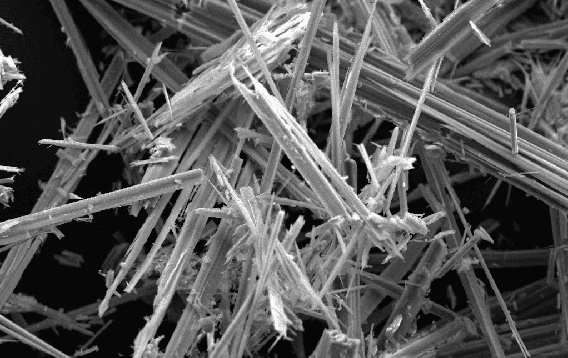
Asbestos is a group of naturally occurring mineral fibers that were widely used in building materials because of their fire resistance, durability, insulating properties, and affordability.
Many older Kansas homes still contain asbestos-containing materials (ACMs). The issue is not simply the presence of asbestos, it’s what happens when those materials are disturbed.
When asbestos-containing materials are cut, drilled, broken, sanded, or demolished, microscopic fibers can become airborne. If inhaled over time, those fibers can lead to serious health conditions, including lung disease and mesothelioma.
If you own, or are buying, an older home in Kansas, understanding asbestos is part of responsible homeownership.
Where Asbestos Is Commonly Found in Older Kansas Homes
If your home was built before the 1980s (and sometimes even later), asbestos may be present in:
- Pipe and boiler insulation
- Duct wrap and fire-resistant insulation
- Vinyl floor tiles and cement-asbestos tiles
- Textured “popcorn” ceilings
- Roofing felt or shingles
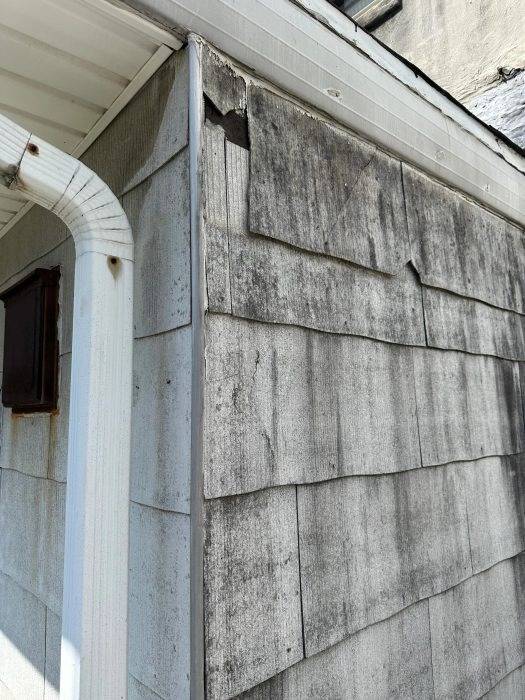
- Cement siding panels or shingles
- Joint compounds and fireproof materials
- Specialty building materials used in older construction
Because asbestos was widely used, it is not safe to assume older materials are asbestos-free.
If materials are intact and undisturbed, risk is often low. The concern increases during renovation, demolition, remodeling, or repair work.

Asbestos Regulations in Kansas (KDHE Overview)
In Kansas, asbestos is regulated under both state and federal law. The Kansas Department of Health and Environment (KDHE) enforces asbestos regulations aligned with federal standards, including EPA NESHAP (National Emission Standards for Hazardous Air Pollutants).
Key points:
- Many regulations focus on commercial, public, and large-scale projects.
- Kansas regulations (K.A.R. 28-50, Article 50: Asbestos Control) outline licensing, notification, work practices, and disposal requirements.
- Certain renovation or demolition activities require specific procedures and notifications.
KDHE notes that homeowners performing work on their own residence are generally not covered under the same regulatory framework as commercial projects. However:
Lack of regulatory coverage does not eliminate health risk or liability.
Homeowners are still responsible for safe handling and proper disposal.
Why Homeowners Should Take Asbestos Seriously
Even if regulations don’t apply in the same way as commercial projects, improper handling of asbestos can:
- Release harmful airborne fibers
- Expose your family and neighbors
- Create environmental violations
- Lead to improper disposal fines or legal consequences
There have been enforcement cases in Kansas involving improper asbestos removal and disposal. While many involve commercial settings, they demonstrate how seriously asbestos violations are treated.
What Kansas Homeowners Should Do
If asbestos may be present in your home, here are practical steps to consider.
1. Identification and Inspection
If materials are suspicious due to age, appearance, or type:
- Consider having samples tested by a qualified professional
- Avoid disturbing materials until confirmed
- Do not assume materials are safe without verification
Often, the safest approach is leaving intact asbestos materials undisturbed.
2. Renovation, Repair, or Demolition Planning
Before starting renovations in an older Kansas home:
Ask: Could this contain asbestos?
If yes:
- Consult an asbestos inspector or abatement professional
- Use proper containment methods
- Avoid dry cutting, grinding, or sweeping suspect materials
- Ensure contractors are appropriately certified if required
For larger projects, KDHE outlines specific work practices such as wetting materials and using HEPA filtration.
3. Proper Disposal
Asbestos waste is regulated.
Certain friable asbestos materials cannot be disposed of in standard construction and demolition landfills. Proper containment, labeling, and disposal procedures must be followed.
Throwing asbestos-containing debris in regular trash is not a safe or responsible option.
4. Documentation and Disclosure
Keep records of:
- Inspections
- Testing results
- Abatement or encapsulation work
- Disposal receipts
If you sell your home, documentation demonstrates responsible maintenance and reduces liability concerns.
What Is Not Regulated (And Why That Still Matters)
KDHE indicates that homeowners performing work on their own residence are generally not covered under certain regulatory provisions.
However:
- Health risks still exist
- Environmental contamination is still possible
- Liability may still arise if fibers affect neighboring properties
Just because a rule does not strictly apply does not mean the risk disappears.

Asbestos and Real Estate Transactions in Kansas
If you’re buying or selling an older home:
- Consider an asbestos evaluation before major renovations
- Disclose known asbestos materials when appropriate
- Understand that improper removal can delay sales or affect negotiations
Being proactive protects both your health and your investment.
When to Contact a Professional
You should consider consulting a professional if:
- You are remodeling a pre-1980 home
- You notice deteriorating insulation or crumbly building materials
- You plan to remove old siding, flooring, or ceiling textures
- You are unsure whether materials contain asbestos
Testing is the only way to confirm the presence of asbestos.
Final Thoughts: Responsible Homeownership in Kansas
Asbestos in Kansas homes is not uncommon, especially in older properties. The key is not panic, but awareness.
- Don’t assume materials are safe.
- Don’t disturb suspect materials without a plan.
- Don’t take shortcuts during demolition or renovation.
While strict asbestos regulations may apply more heavily to commercial buildings, homeowners still carry practical responsibility for safe handling.
Understanding asbestos risks, following best practices, and consulting qualified professionals when needed will protect your household, your property value, and your community.
Concerned About Asbestos in Your Home?
If you own or are purchasing an older home in Kansas and have concerns about asbestos-containing materials, the first step is understanding what you’re dealing with.
At Home Inspector Shane, I help homeowners identify potential environmental concerns during the inspection process and provide practical guidance on next steps. While laboratory testing is required to confirm the presence of asbestos, an experienced inspection can help identify materials that may warrant further evaluation before renovation or demolition.
If you’re planning updates to an older home or simply want clarity before moving forward,
Contact Home Inspector Shane to schedule your home inspection today.
Knowledge protects your investment, and your family.