
Home Maintenance Checkups: A Smart, Simple Routine to Protect Your Home
Owning a home isn’t just about fixing things when they break, it’s about catching small problems early, before they turn into expensive repairs. A regular home maintenance checkup works a lot like a routine physical: you’re looking for early warning signs, tracking what you find, and taking action before issues get out of hand.
Below is a homeowner-friendly guide based on the AHIT Home Maintenance Manual (provided courtesy of Home Inspector Shane LLC), organized in the same clear, practical format as our other blogs.
Why Should You Perform A Regular Home Checkup?
Because preventative maintenance is almost always cheaper than major repairs.
A consistent checkup schedule helps you:
- Preserve your home’s condition
- Extend the life of key systems like HVAC, roofing, and plumbing
- Reduce surprise expenses
- Improve resale value with documented upkeep
How Often Should You Do Maintenance Checks?
There’s no perfect schedule for every home, but a solid baseline is:
- Spring + Fall: Most exterior and weather-related items
- Annually: Deeper system checks and long-term planning
- As Needed: Anything triggered by storms, leaks, odors, cracks, or strange noises
Pro tip: Walk your home “top to bottom” a couple times a year and take notes.
A Simple Seasonal Home Checkup Checklist
Exterior and Yard
- Drain outside water lines and hoses before freezing temps
- Clean window wells, area wells, storm drains
- Check driveways, sidewalks, and grading for settlement or erosion
- Test garage door safety reverse mechanism
Doors and Windows
- Inspect caulking and weatherstripping (replace when cracked or loose)
- Check for broken glass, damaged screens, loose putty
- Lubricate window hardware and keep sliding door tracks clean
Roof and Drainage
- Check shingles, flashing, and roof penetrations (vents, skylights, chimney)
- Clean gutters and downspouts in spring and fall
- Extend downspouts at least 4+ feet away from the home
- Trim tree branches that overhang the roof

The Most Overlooked Problem: Water Control
If you want one “master tip” for home maintenance, it’s this:
Control water around your home and you protect everything.
A proper grade typically slopes away from the house about 1 inch per foot for 5–6 feet. Water that flows toward the foundation often shows up later as:
- Damp basements/crawlspaces
- Foundation cracking
- Rotting exterior trim/siding
- Mold, mildew, and indoor air issues
Interior Surfaces: What to Watch For
Most interior finishes don’t require much, until they do.
Keep an eye out for:
- Stains on ceilings/walls (especially under bathrooms or near exterior walls)
- Loose tile or damaged grout around tubs and showers
- Persistent condensation or mildew (often a ventilation or humidity problem)
If mold or moisture keeps showing up, it’s a signal, not just a cosmetic issue.
Attic Checkups: A Hidden Area That Tells the Truth
If your attic is accessible, inspect it several times per year.
Look for:
- Frost buildup on nails/sheathing in winter (often ventilation/air leakage)
- Darkened roof sheathing (possible moisture issue)
- Extreme heat in summer (may indicate insufficient ventilation)
Many homes benefit from stronger attic insulation, some guidance commonly references R-49 depending on climate and insulation type.
Mechanical Systems: The “Big Three” Homeowners Should Know
Electrical
- Know and label the main electrical shutoff
- Test GFCIs monthly and breakers periodically
- Replace damaged extension cords and lamp cords
- If breakers trip often → call a licensed electrician
Plumbing
- Know and tag the main water shutoff (and fixture shutoffs)
- Watch for leaks under sinks and in crawlspaces/basements
- Drain a few gallons from your water heater periodically (per manufacturer guidance)
- In cold weather: shut off and drain hose bibs and exterior lines
HVAC
- Service heating equipment regularly (annual is a good rule for older equipment)
- Change filters routinely (often monthly for basic filters)
- Keep debris away from outdoor AC equipment and hose off pollen/leaves as needed

Structure: When to Monitor vs. When to Act
Not every crack means disaster, but changes matter.
Walk the perimeter and watch for:
- Sagging rooflines
- New or widening cracks
- Doors/windows that suddenly stick
- Buckling siding or shifting masonry
If you’re unsure, document it and monitor, or bring in a professional to evaluate.
Environmental and Safety Concerns Every Homeowner Should Respect
A well-maintained home is a safer home. The manual highlights several common concerns:
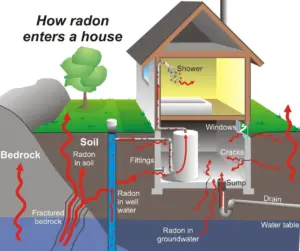
- Radon: Test when needed, especially in below-grade spaces
- Asbestos: Often safest when undisturbed; testing is the only way to confirm
- Mold: Moisture control is the solution, dry wet materials quickly
- Carbon Monoxide: Maintain fuel-burning appliances and use detectors
- Lead: Older homes may contain lead in paint/dust/soil, especially risky for kids
Keep Records (This Helps More Than You Think)
Maintenance records do two big things:
- Help you stay organized and consistent
- Add credibility and value when you sell
Even simple notes like dates, repairs, receipts, and who performed the work can matter.
Final Thoughts
Home maintenance doesn’t have to be complicated. A simple seasonal checkup routine, focused on water control, roof drainage, HVAC basics, and moisture awareness, will prevent most of the expensive “surprise” repairs homeowners face.
If you ever want a second set of eyes, Home Inspector Shane is here to help you understand what’s normal, what’s not, and what to prioritize next.
Contact us to schedule an inspection or maintenance-focused consultation.