What Is Radon — and Why Should You Care?
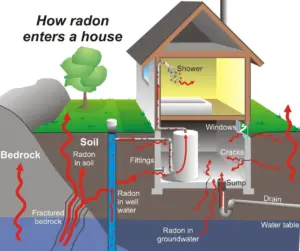
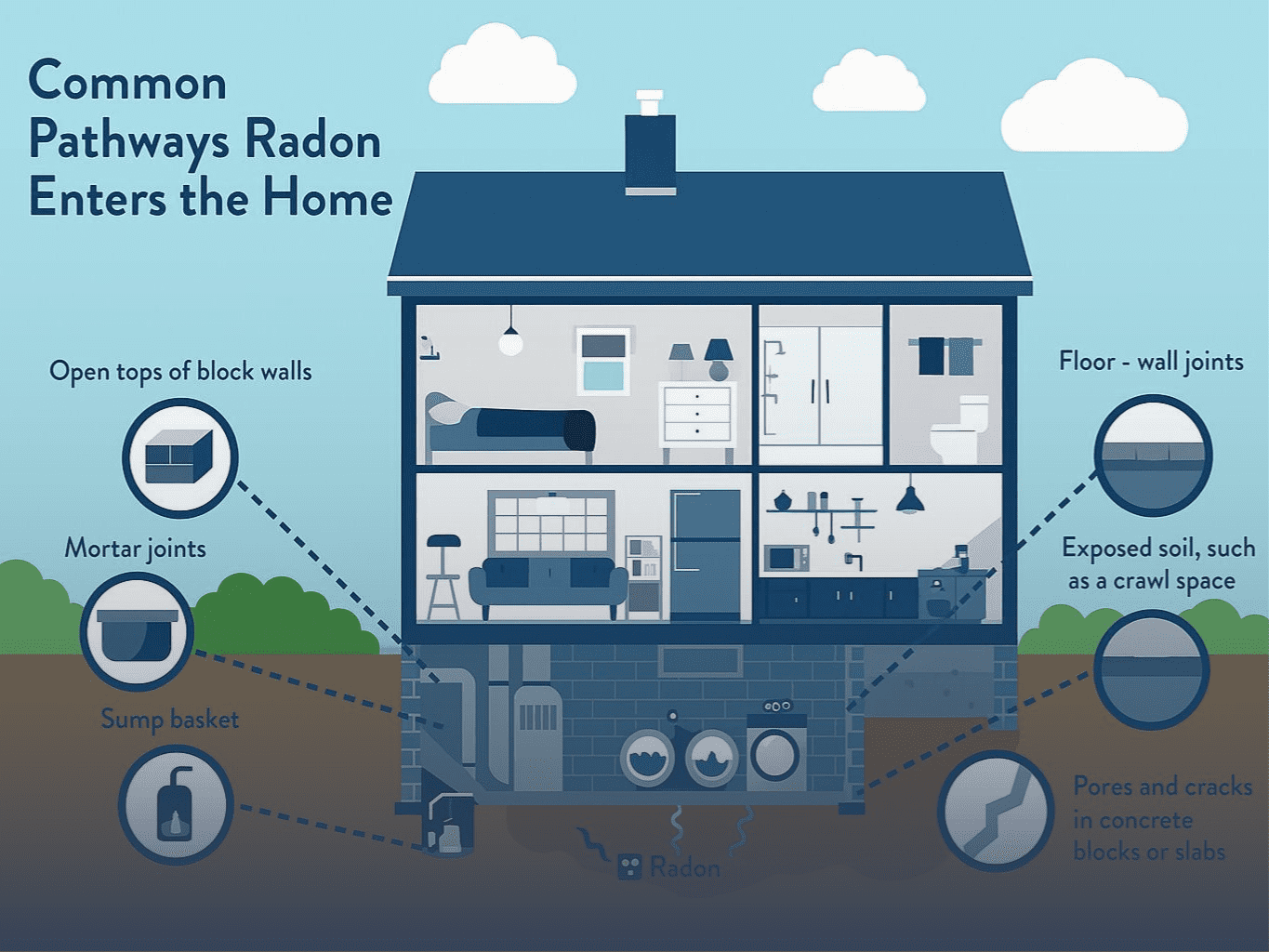
Radon is an invisible, odorless, radioactive gas that naturally forms in the ground from the breakdown of uranium. It can enter homes through cracks in the foundation, openings in walls, construction materials, or even through the water supply — and while undetectable without testing, it poses serious health risks.
What Causes Radon to Enter Your Home?
Radon can enter your home through a variety of sources:
-
Soil and Rock: Radon forms from uranium in the ground and seeps upward into structures.
-
Groundwater: Radon dissolves into well water and is released during activities like showering or washing dishes.
-
Construction Materials: Some materials (like concrete block walls or stone) naturally contain uranium, contributing to radon buildup indoors
Radon in Kansas: What the Data Shows
-
The statewide average indoor radon level in Kansas is 4.9 pCi/L, which is above the EPA action level.
-
Over 41% of homes tested in Kansas showed levels at or above 4.0 pCi/L.
-
More than 17,000 mitigation systems have been installed to reduce indoor radon levels.
Visit kansasradonprogram.org to explore radon levels in your county.
Why Construction and Ventilation Matter
Certain construction features increase radon risk:
-
Cracks & Openings in floors or foundation walls act as entry points.
-
Poor Ventilation allows radon to accumulate, especially in tightly sealed homes.
-
Construction Materials containing radioactive elements can increase radon exposure.
A well-ventilated home and proper radon sealing during construction can significantly reduce your exposure risk.
Safe Radon Levels: What’s Considered Dangerous?
According to the EPA, any home with radon levels above 4.0 pCi/L should undergo mitigation.
There is no known “safe” level of radon exposure — but lower is always better.
What To Do If You Find High Radon Levels
-
Hire a Certified Professional
State law requires Kansas radon tests during real estate transactions be done by certified professionals. -
Install a Radon Mitigation System
These systems prevent radon from entering or remove it via fans and ventilation pipes. -
Seal Foundation Cracks & Gaps
This helps block radon from seeping into living areas. -
Improve Ventilation
Especially in basements and crawlspaces. -
Monitor Your Home Regularly
Even after mitigation, radon levels can change due to weather, soil shifts, or new cracks
What About Radon in Basements?
Basements are prime entry points for radon because they’re closest to the source: the ground.
Low ventilation and structural cracks make them susceptible. Installing mitigation systems here can help protect the entire home.
Can Radon Be in Water?
Yes — particularly in homes using well water.
When water containing radon is used in showers or sinks, it can release gas into the indoor air. If your home uses well water, consider water-based radon testing.
DIY Kits vs. Professional Testing
| DIY Test Kit | Professional Testing |
|---|---|
| Affordable, but can be inaccurate | Accurate, certified, and real-estate compliant |
| Takes weeks for results | Results often available immediately |
| Sensitive to humidity and placement | Uses advanced calibrated equipment (CRM, electret) |
| Not acceptable for real estate deals | Required by law for real estate transactions |
DIY tests can be a good first step, but for accurate results and peace of mind — hire a pro.
Home Inspector Shane: Your Southeast Kansas Radon Partner
At Home Inspector Shane, we perform accurate radon testing that follows all ANSI/AARST standards and Kansas state requirements. Whether you’re buying, selling, or just want peace of mind, we’ll help you determine your radon risk and what to do next.
📞 Contact us today to schedule your radon inspection.
Final Thoughts
Radon is a serious issue — but it’s also a manageable one.
Testing, mitigation, and regular monitoring can keep your home safe for you and your family.
When in doubt, test it out.