Radon is one of the most common, and misunderstood, environmental risks found in Kansas homes. Because it’s invisible, odorless, and tasteless, many homeowners don’t realize it’s present until a test reveals elevated levels. As a home inspector working across Kansas, I see firsthand how often radon is overlooked during real estate transactions and routine home ownership.
This guide explains what radon is, why Kansas homes are particularly vulnerable, and what you should do if elevated levels are found.
What Is Radon and Why Is It a Concern in Kansas?
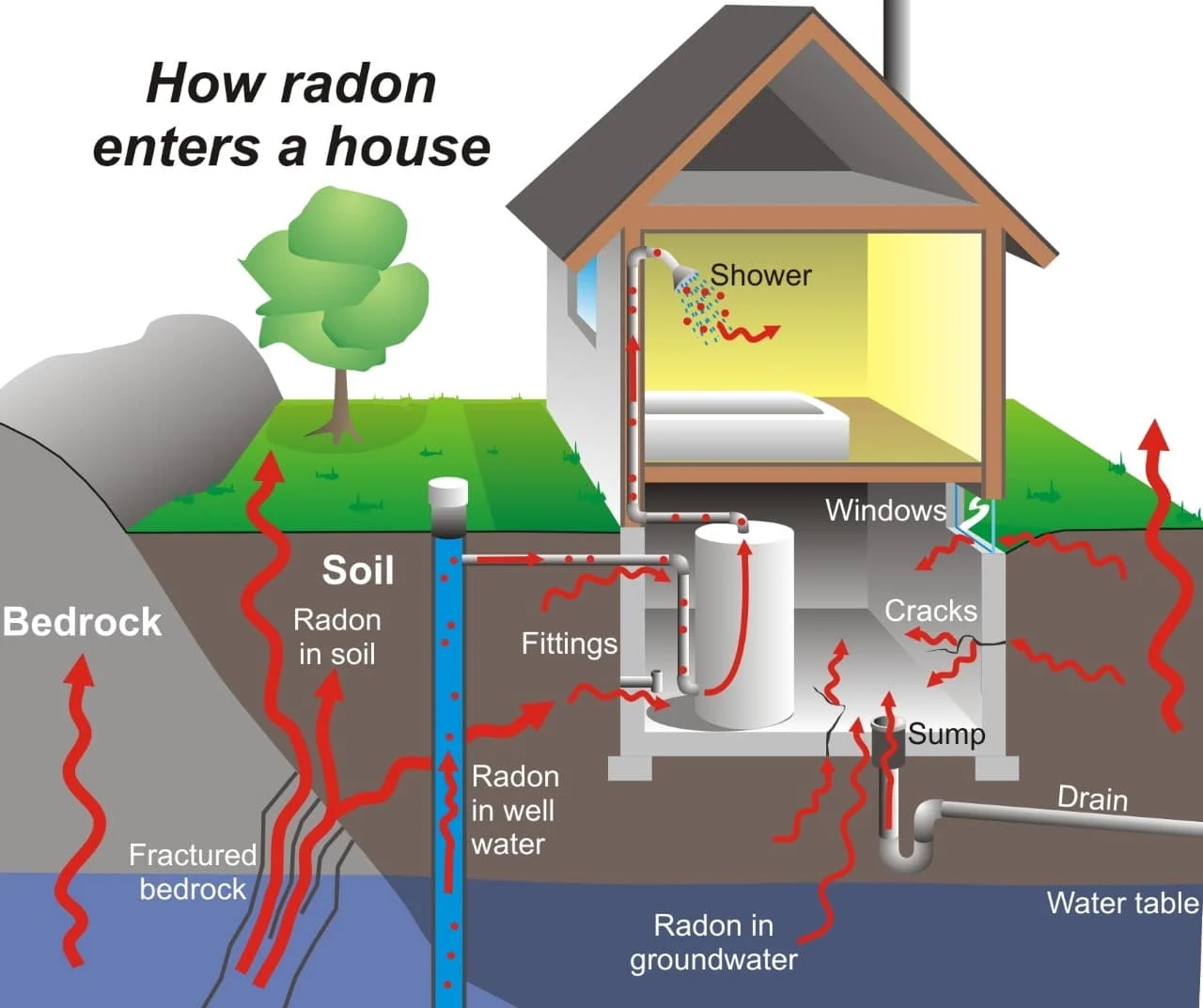
Radon is a naturally occurring radioactive gas produced by the breakdown of uranium in soil and rock. It enters homes through cracks in foundations, slab joints, sump pits, crawlspaces, and other openings in contact with the ground.
Kansas has some of the highest average indoor radon levels in the country. According to the Kansas Department of Health and Environment (KDHE):
- The average indoor radon level in Kansas is approximately 4.9 pCi/L
- The EPA action level is 4.0 pCi/L
- An estimated 1 in 4 Kansas homes may test at or above the EPA action level
Radon exposure is the second leading cause of lung cancer, and the leading cause among non-smokers. Because symptoms don’t appear until long-term exposure has occurred, testing is the only way to know your risk.
How Radon Gets Into Homes
Radon enters homes through pathways created by normal construction and soil movement, including:
- Cracks in concrete slabs or foundation walls
- Gaps around plumbing penetrations
- Sump pump pits and floor drains
- Crawlspaces and unfinished basements
- Construction joints and porous building materials
Homes that are tightly sealed for energy efficiency may actually trap radon indoors, allowing levels to build up over time.
Radon Testing During Real Estate Transactions
Radon testing is especially important during home sales in Kansas. Whether you’re buying or selling, knowing the radon level early can prevent surprises later in the process.
Key things to know:
- Short-term radon tests typically run 48 hours
- Testing must be performed under closed-house conditions
- Kansas requires radon testing and mitigation work to be completed by certified professionals
- Delaying testing can cause closing delays if mitigation is needed
Testing early keeps negotiations calm and protects both buyers and sellers.
What Happens If Radon Levels Are High?
If a home tests at or above 4.0 pCi/L, mitigation is strongly recommended.
Radon Mitigation Systems
The most common solution is active soil depressurization, which uses a fan and vent pipe to draw radon from beneath the home and safely release it above the roofline.
In most Kansas homes:
- Installation is minimally disruptive
- Systems are quiet and low-maintenance
- Radon levels are often reduced by 90% or more
Mitigation can be handled before listing, during negotiations, or after closing, depending on the agreement between buyer and seller.

Kansas Radon Regulations and Certification
Kansas updated its radon regulations in 2023 to align with national ANSI/AARST standards. This means:
- Radon measurement and mitigation professionals must be properly certified
- Testing and mitigation must follow strict protocols
- Homeowners and real estate professionals should always verify credentials
Working with certified professionals protects your health, and your investment.
Practical Advice for Homeowners
Whether you’re buying, selling, or staying put, these steps help manage radon risk:
- Test your home, even if it’s never had issues before
- Don’t assume new construction is radon-free
- Retest after major renovations or foundation work
- Verify mitigation systems with post-installation testing
- Keep documentation for future resale
Radon testing isn’t about fear, it’s about informed homeownership.
Why Radon Awareness Matters
When radon is addressed proactively:
- Buyers gain confidence and peace of mind
- Sellers reduce liability and transaction stress
- Deals move forward more smoothly
- Families are better protected long-term
Radon doesn’t have to be a deal-breaker, but ignoring it can be.
Home Inspector Shane: Trusted Radon Testing in Kansas
At Home Inspector Shane, we provide professional radon testing that complies with Kansas regulations and ANSI/AARST standards. Whether you’re navigating a real estate transaction or simply want to understand your home’s indoor air quality, we’re here to help.
Contact us today to schedule your radon inspection and take the guesswork out of radon safety.
Final Thoughts
Radon is a real and measurable concern in Kansas homes, but it’s also manageable. Testing, mitigation, and follow-up monitoring can significantly reduce risk and protect your household for years to come.
When it comes to radon, the best approach is simple: test early, act informed, and protect your home.